
Core Concept & Objective
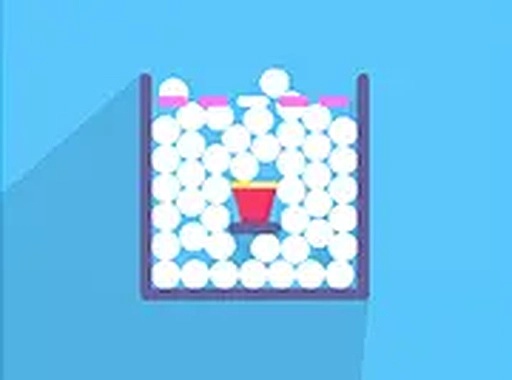
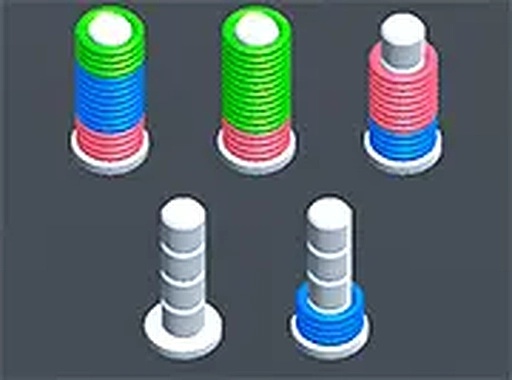
The central idea is straightforward: a board contains several empty positions, and your task is to fill them all with orbs. However, the arrangement of these positions changes with each puzzle. This simple rule creates a surprisingly deep challenge, as you must decide the correct sequence for placing each orb. One wrong move can block progress, so thinking ahead is essential.
Level Design & Progression
Early boards are small and simple, allowing newcomers to grasp the basic logic. As you advance, the layouts become more complex, with more empty slots and less obvious paths to completion. The difficulty curve is gentle, so you never feel overwhelmed. This steady increase keeps the experience engaging without causing frustration.
Controls & Accessibility
Interacting with the game is effortless. On a computer, you click each empty slot with a mouse. On a touchscreen, you simply tap the desired position. The interface is clean and responsive, with no confusing menus or settings. A full-screen mode is available for a more focused view, and the game runs instantly in any modern browser.
Visual Style & Atmosphere
The graphics are clean and minimal, with soft colors that are easy on the eyes. There are no flashy animations or distracting effects. This calm visual design supports the game's relaxing nature, making it suitable for unwinding after a busy day. The lack of clutter helps you concentrate on the puzzle at hand.
Who Will Enjoy This Game
This title is ideal for anyone who likes quiet, thoughtful activities. It works well for short breaks, like waiting for an appointment, or for longer sessions of focused play. Because there is no violence, time pressure, or complex story, it is safe for children and enjoyable for adults. It is a great choice for families looking for a shared, low-stress activity.
Strategic Approaches
Success often comes from studying the entire board before making a move. Look for sections that seem to have only one possible starting point. If you get stuck, restarting and trying a different sequence can reveal a new solution. Patience is more valuable than speed here. Over time, you will develop an eye for the most efficient paths.




Comments
0 comments