
Retro Aesthetic and Visual Design
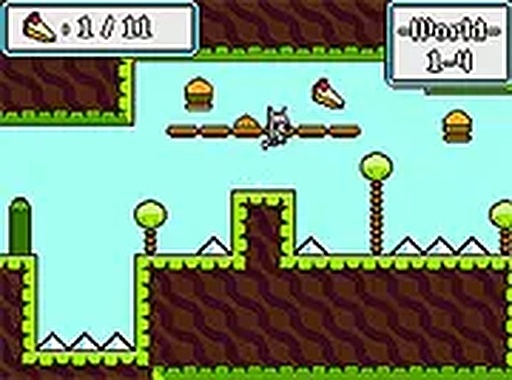
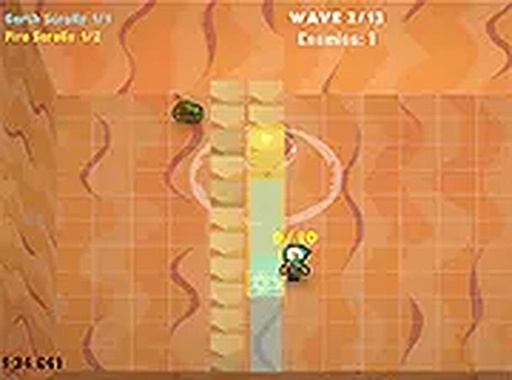
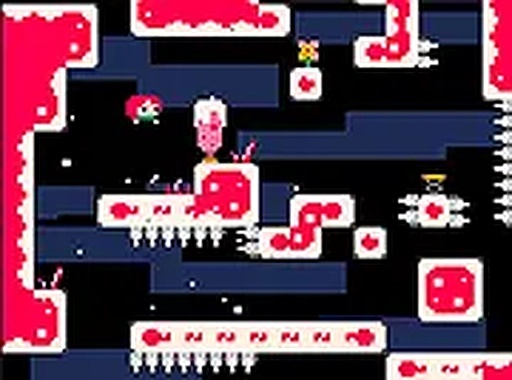
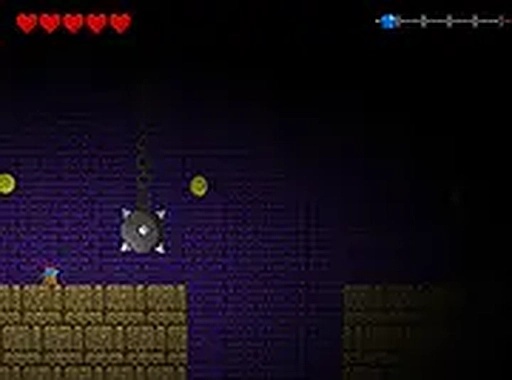
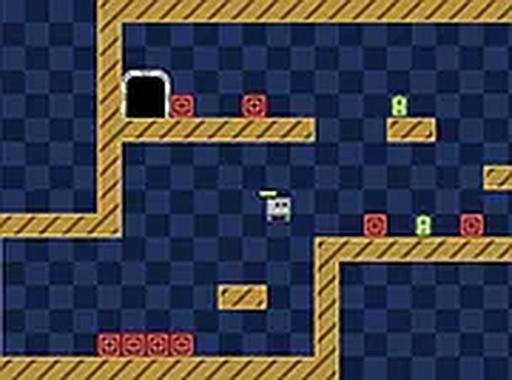
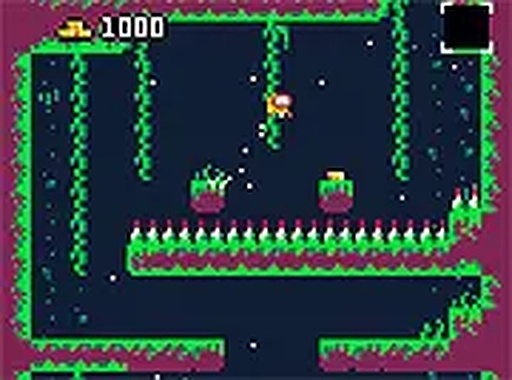
The game adopts a pixel art style reminiscent of early home console titles. Each stage uses bright, clean colors that make characters and obstacles easy to distinguish. The visual simplicity helps players focus on timing and navigation without visual clutter. Backgrounds change as players progress, offering subtle variety without overwhelming the screen. This design choice supports both short play sessions and extended exploration.
Controls and Responsiveness
Movement relies on a few keyboard keys, allowing players to move left, right, and jump. The controls feel immediate and precise, which is essential for overcoming gaps and moving platforms. There is no complex combo system or button mapping, so new players can start without a tutorial. The responsive input helps maintain a smooth flow through each stage.
Level Structure and Progression
Stages are arranged in a linear sequence, with each new area introducing different environmental features. Some levels require careful timing to cross moving platforms, while others focus on collecting scattered items. The difficulty increases gradually, giving players time to adapt. Automatic saving means progress is retained between sessions, making it convenient to return later.
Collectibles and Scoring
Throughout each stage, players can gather coins and other items that add to their score. These collectibles are often placed along the main path, but some are hidden in slightly off-route positions. Exploring thoroughly rewards attentive players with higher scores. The scoring system adds a light layer of replayability without forcing competitive pressure.
Family-Friendly Content
The game contains no mature themes, graphic imagery, or complex narratives. Its tone is light and playful, suitable for players of all ages. The raccoon character is designed to be likable and approachable. This makes the game a good choice for shared play or for younger audiences exploring platform games for the first time.

Comments
0 comments